

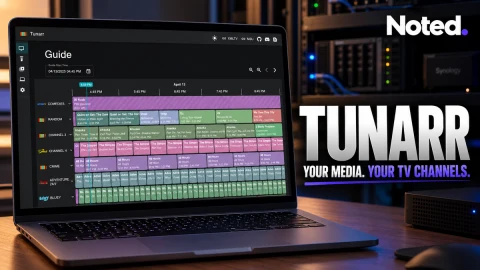
Turn Your Media Server Into a TV Station With Tunarr
Miss flipping through TV channels? Tunarr lets you build your own live television network using the media already on your server.

New posts on noted.lol in your feed reader – no account, no sign-up.
Magazine · EN · noted.lol ↗
Miss flipping through TV channels? Tunarr lets you build your own live television network using the media already on your server.
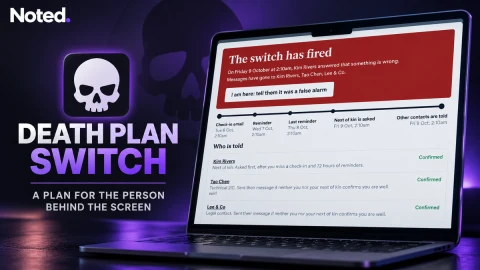
A self-hosted dead man’s switch that helps solo admins leave a plan for the people who may need to take over.
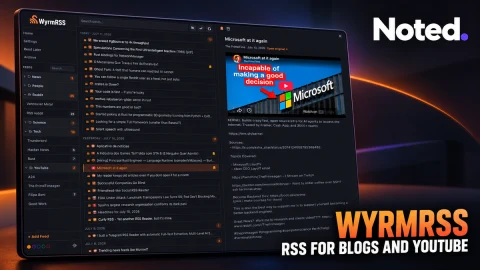
Follow blogs and YouTube channels together with WyrmRSS, a self-hosted RSS reader with flexible feeds and a mobile-friendly layout.

Noted Giveaways is here! Discover handpicked homelab and PC hardware giveaways, all manually reviewed and approved. No endless lists of junk promotions designed to harvest your email.
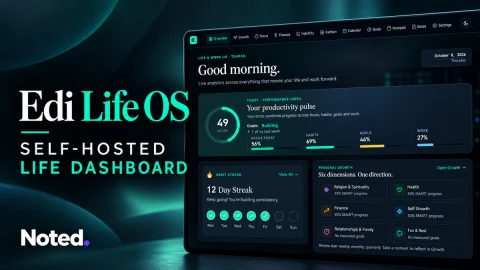
Edi Life OS unites habit tracking, goals, Kanban, finance, and an optional Model Context Protocol AI server into a self-hosted dashboard.
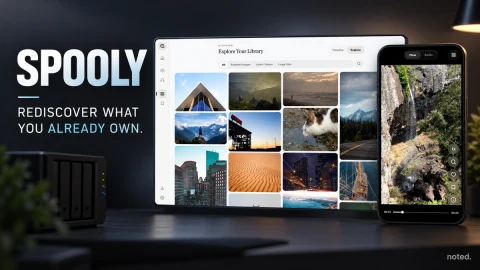
You've probably got years of photos, videos, and music sitting on your NAS that you rarely revisit. Spooly gives that forgotten media a second life with swipeable discovery, personal radio …
 PlanetFOSS
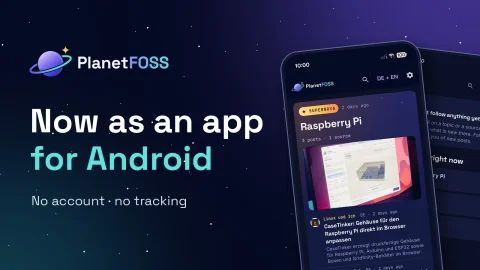
Supernovas, comets and the morning logbook on your phone. No account, no Google services, no tracking.
Get the app →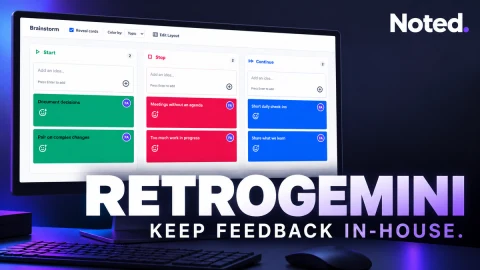
Built for teams that need to keep feedback in-house, RetroGemini brings guided retrospectives, anonymous voting, and health checks to your server.
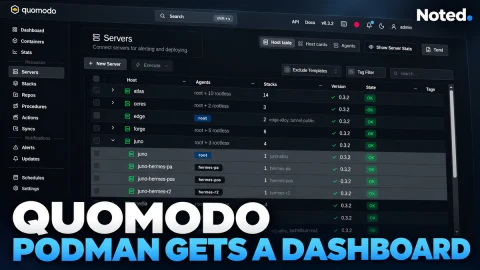
Quomodo brings a central web interface to Podman stacks, with Git-based deployments and rootless container support.
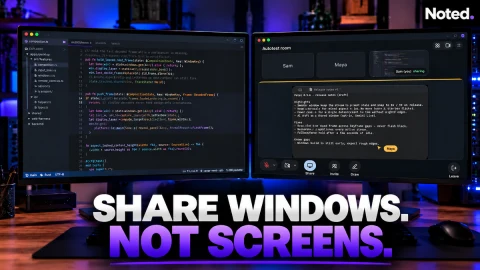
Petal lets remote collaborators share movable desktop windows and run their own media server, although setup is still hands-on.
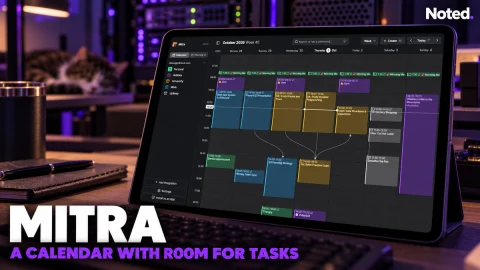
Mitra brings events and tasks together in a self-hosted calendar, with Docker deployment and browser push reminders.
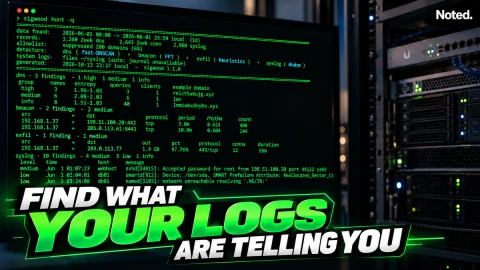
Sigwood examines existing Linux, Pi-hole, and Zeek logs for unusual activity without running a monitoring server or sending data to the cloud.

Keep selected YouTube channels and playlists on your own server with Yarrtube, a lightweight Docker app built around yt-dlp.

iSponsorBlockTV connects to your television's YouTube app and automatically skips sponsor segments without replacing the app.
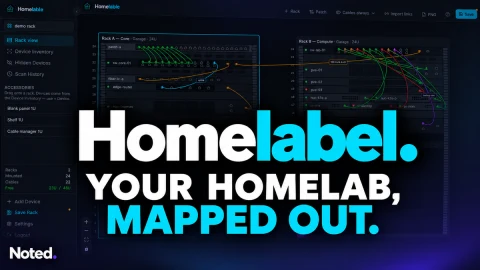
Homelable brings network discovery, live status checks and diagrams together to help document the machines behind a home server setup.

Your homelab may be costing more to run than it needs to. Here's why separating essential services from your lab can save electricity.
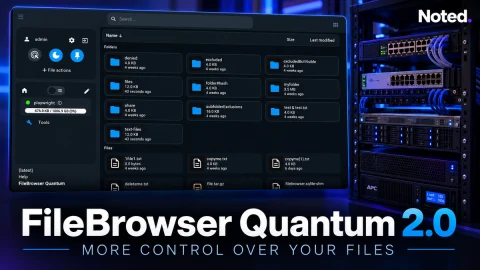
FileBrowser Quantum 2.0 introduces activity logs and improved file permissions, alongside a SQLite migration and important security fixes.

Libreboot 26.10 gives older computers a second chance with modern UEFI support, new hardware compatibility, and expanded Chromebook builds.

 3 sources report →
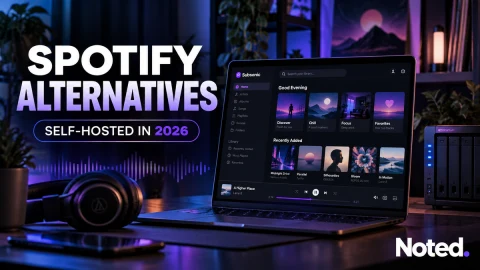
Learn how to serve your music with spotify-like features, but all locally.
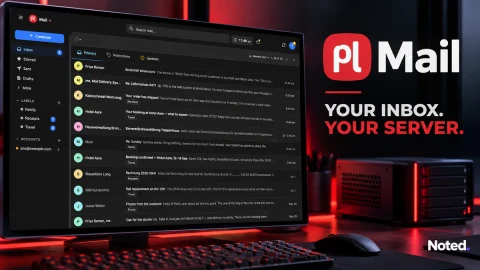
plMail brings multiple email accounts into one self-hosted inbox, with Docker support and optional local AI through Ollama.

Your Docker backups might be running perfectly, but can you actually restore your applications when something goes wrong?
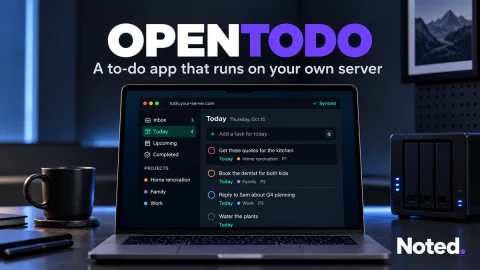
A to-do app that keeps a full copy on every device, syncs through your own server, and fits in a 23 MB container. Set it up with Docker in a few minutes.
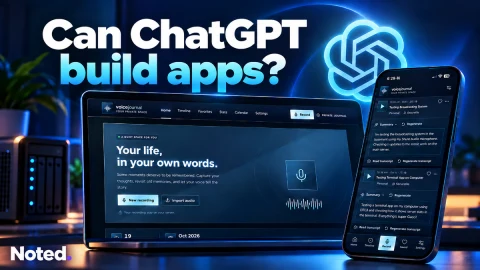
I wanted to see if ChatGPT could really build an entire self-hosted application. What started as a simple voice recorder turned into a personal journal powered by local AI.
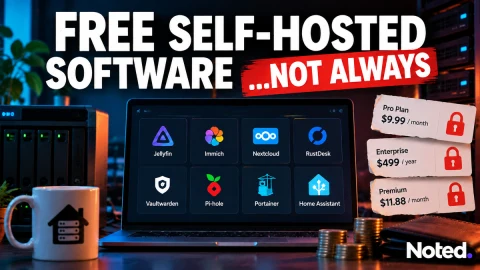
Self-hosting was supposed to give us more control, not another monthly bill. As paywalls become more common in self-hosted software, users are questioning what free really means.
n8n has released security updates addressing multiple vulnerabilities affecting self-hosted installations. The flaws could expose sensitive credentials or allow unauthorized access to project data.
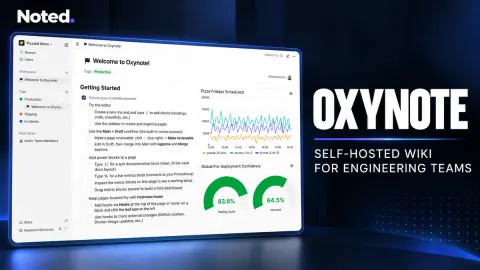
Oxynote is an open-source, self-hosted wiki built for engineering teams. This guest guide covers Docker installation and its live metrics integration.
GitLab has released security updates addressing a critical vulnerability that could allow attackers to execute code without authentication.

I built a home server dreaming my family would use all these amazing self-hosted apps. Turns out I'm the only one who seems interested.

Cloudflare Tunnel makes accessing your homelab easier, but how secure is it really? Here's what it protects and where you still need to be careful.
Docker Engine 29.9.0 fixes five security vulnerabilities, including HTTP/2 flaws that could crash or overload the Docker daemon.
There are so many places to discover new self-hosted apps, but where do you find yours? Let's see how the Noted community discovers new software.