

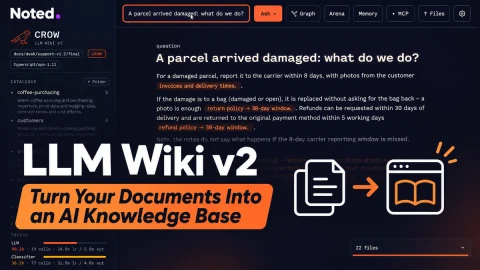
LLM Wiki v2: Self-Hosted AI Knowledge Base in Markdown
LLM Wiki v2 is a self-hosted knowledge management tool that uses AI to organize documents into Markdown notes, answer questions with citations, and provide persistent memory for AI assistants.

New posts on noted.lol in your feed reader – no account, no sign-up.
Magazine · EN · noted.lol ↗
LLM Wiki v2 is a self-hosted knowledge management tool that uses AI to organize documents into Markdown notes, answer questions with citations, and provide persistent memory for AI assistants.
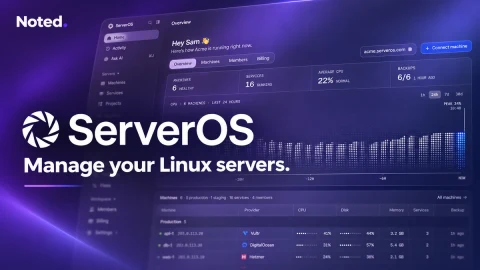
ServerOS is an open-source control panel for managing existing Linux servers. Deploy applications, monitor resources, automate workflows, and manage backups through a centralized web interface.
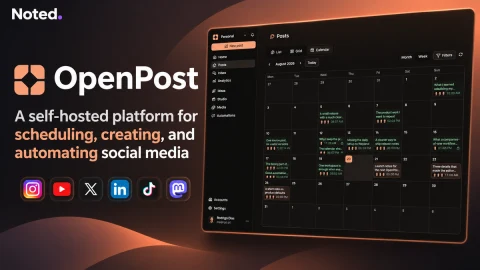
OpenPost is an open-source social media scheduler with built-in image and video editing, workflow automation, and support for 16 platforms. Here's what to know about self-hosting it.
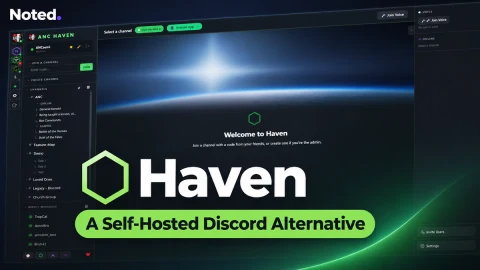
Haven is an open-source, self-hosted Discord alternative featuring private messaging, voice and video chat, screen sharing, and community management.
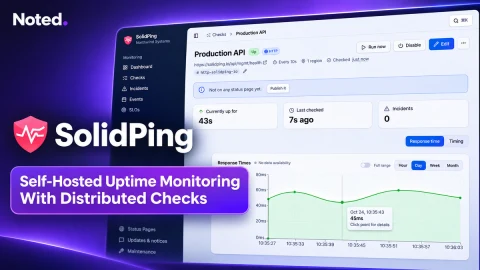
SolidPing is an open-source, self-hosted uptime monitoring platform with distributed checks, incident management, alerting, and public status pages.
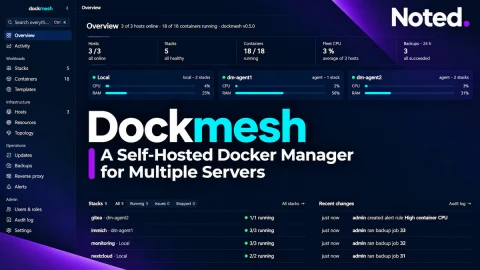
Dockmesh is a self-hosted Docker manager for controlling containers across multiple servers, with Compose support, backups, and a central web dashboard.
 PlanetFOSS
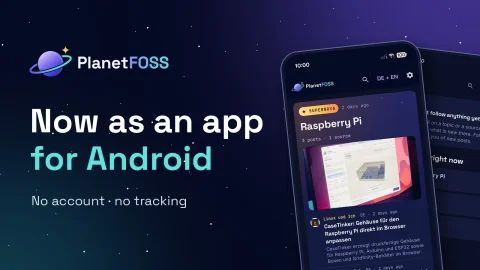
Supernovas, comets and the morning logbook on your phone. No account, no Google services, no tracking.
Get the app →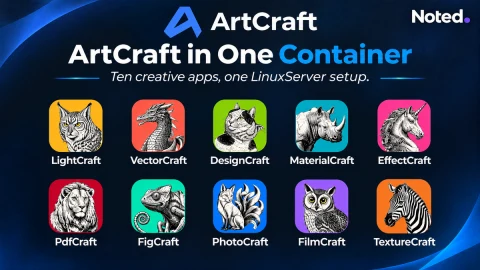
Self-host 10 ArtCraft apps in one LinuxServer Docker container. Access photo, design, video, PDF and 3D tools from your browser.
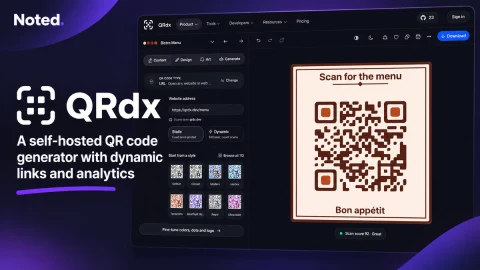
QRdx is an open-source QR code generator with customizable designs, dynamic links, scan analytics, and hosted pages. Here's what it offers and how to self-host it.
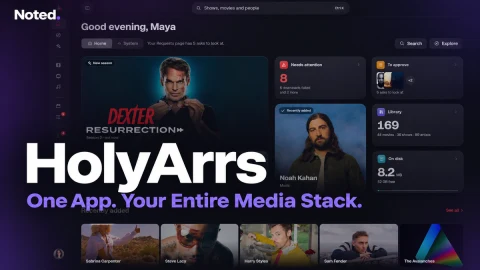
HolyArrs combines Sonarr, Radarr, Lidarr, Prowlarr, and other media management tools into one self-hosted application for your homelab.
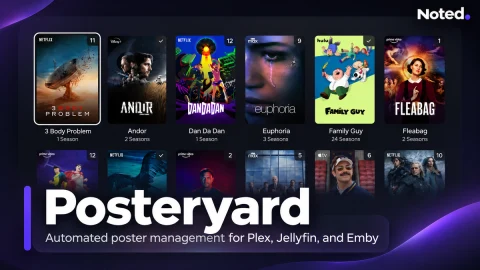
Posteryard automatically creates clean, consistent artwork for Plex, Jellyfin, and Emby, complete with quality badges, streaming logos, and automatic updates.
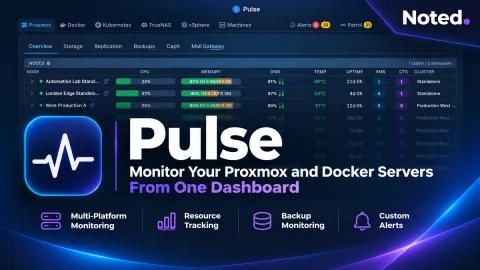
Pulse is a self-hosted monitoring dashboard for Proxmox and Docker, with resource tracking, backup monitoring, and customizable alerts.
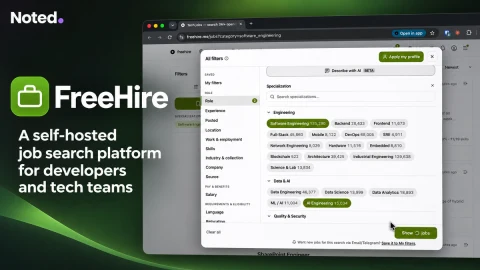
FreeHire is an open-source, self-hostable job search platform that aggregates listings from company career pages while offering resume tools, application tracking, job alerts, and optional AI …
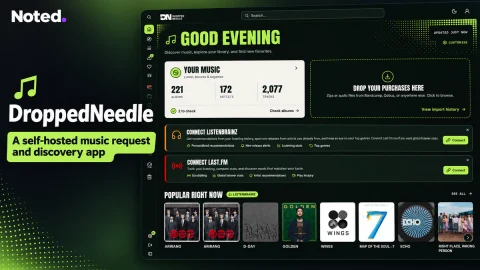
DroppedNeedle brings music requests, automated downloads, discovery, and library management together in a self-hosted application that integrates with your existing music servers.

What services can't be self-hosted? Reddit's r/selfhosted community debates the limits of running your own infrastructure, from email deliverability and payment processing to digital trust and …
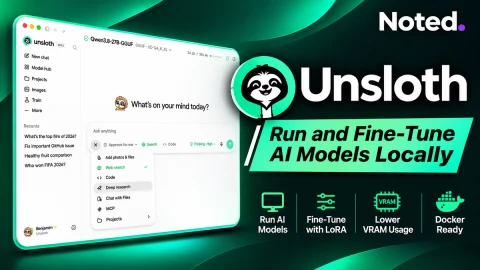
Unsloth is an open-source tool for running and fine-tuning AI models on your own hardware, with reduced VRAM requirements and a browser-based interface.
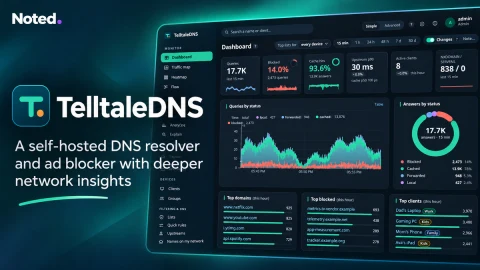
TelltaleDNS is a self-hosted DNS resolver and ad blocker with per-device filtering, detailed query insights, encrypted DNS, and clustering support.

A developer turned a massive 31.5-inch color e-ink display into a self-hosted dashboard using Tesserae. The setup caught Reddit's attention, especially its $1,299 price tag.
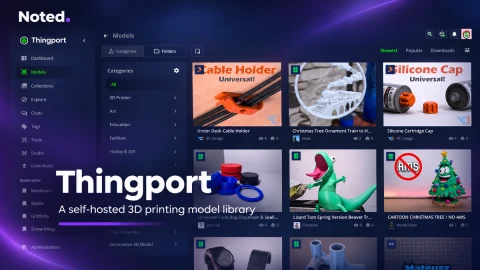
Thingport is a self-hosted 3D printing model library that imports designs from MakerWorld, Printables, and Thingiverse, with built-in previews and organization tools.
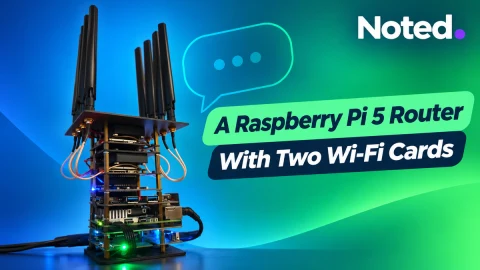
A community member built a homemade router using a Raspberry Pi 5, two Wi-Fi cards, and a tower of expansion boards. The open-source Pi-Dock-Wifi project includes Pi-hole, Docker Compose, and its …

Comicarr is a self-hosted comic and manga manager that tracks missing issues, automates downloads, organizes collections, and integrates with your existing media setup.
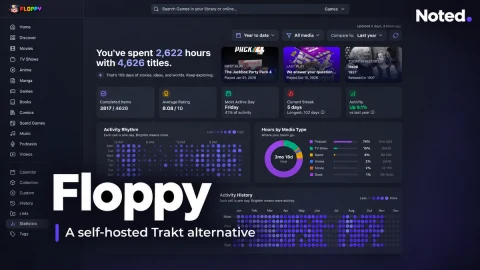
Floppy is a self-hosted Trakt alternative that tracks your movies, TV shows, books, and games, with automatic watch history syncing from Jellyfin and Plex.
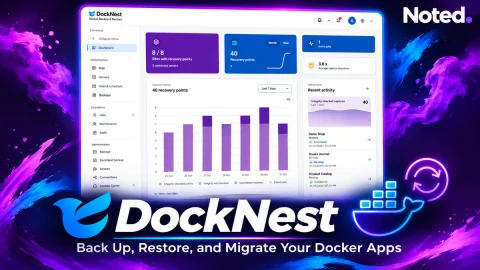
DockNest is a self-hosted Docker backup and recovery tool that automates backups, tests restores, and helps migrate applications between servers.
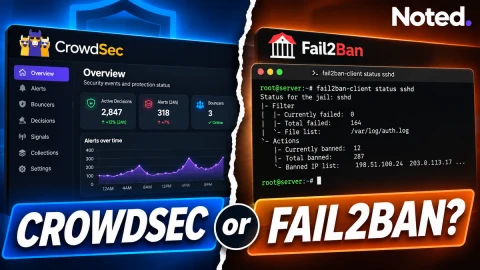
Fail2ban keeps server protection simple, while CrowdSec adds community threat intelligence. Which makes more sense in a homelab?
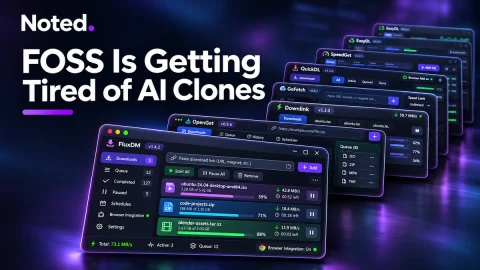
Vibe-coded apps are flooding GitHub, and the FOSS community is growing frustrated. Are these projects helping open source or making it harder to find quality software?
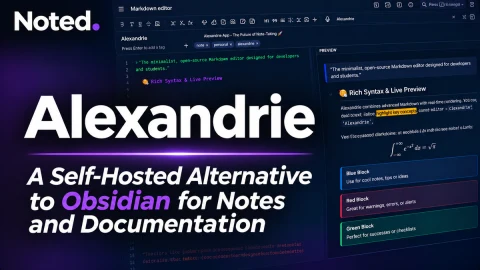
Alexandrie is a self-hosted alternative to Obsidian with Markdown editing, offline access, shared workspaces, and tools for organizing notes and documentation
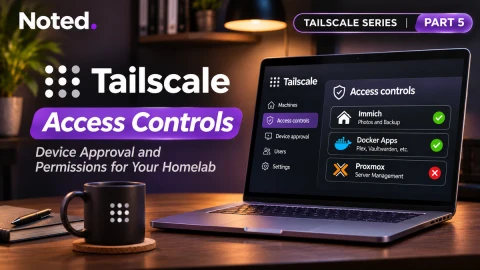
Learn how to secure your Tailscale network with device approval and access controls, giving you more control over who can access your homelab.
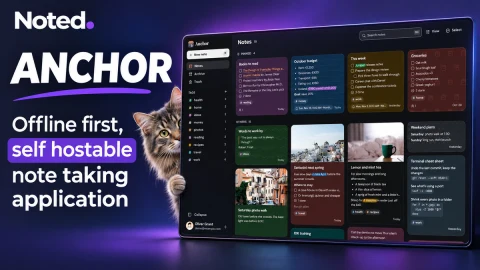
Anchor is a self-hosted note-taking app with offline editing, mobile apps, note history, and automatic syncing between devices.
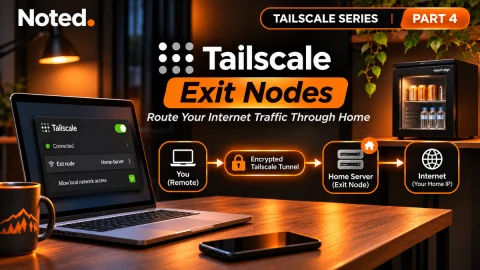
Learn how Tailscale exit nodes let you securely route your internet traffic through your home connection while traveling or using public Wi-Fi.
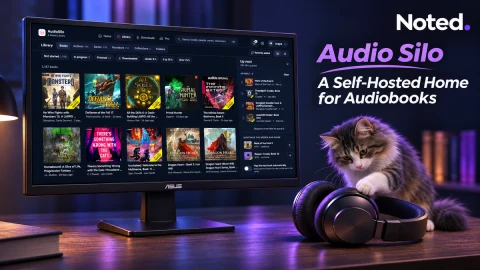
AudioSilo is a free, self-hosted audiobook server from the developer behind Heimdall, featuring native mobile apps, offline listening, and progress syncing.
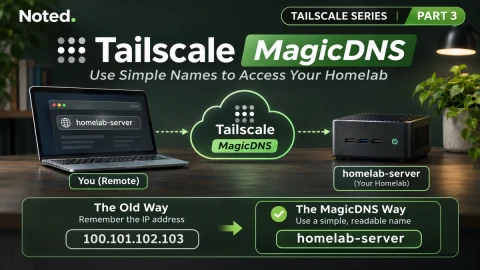
Tired of remembering IP addresses? Learn how Tailscale MagicDNS lets you access your homelab using simple device names instead.